

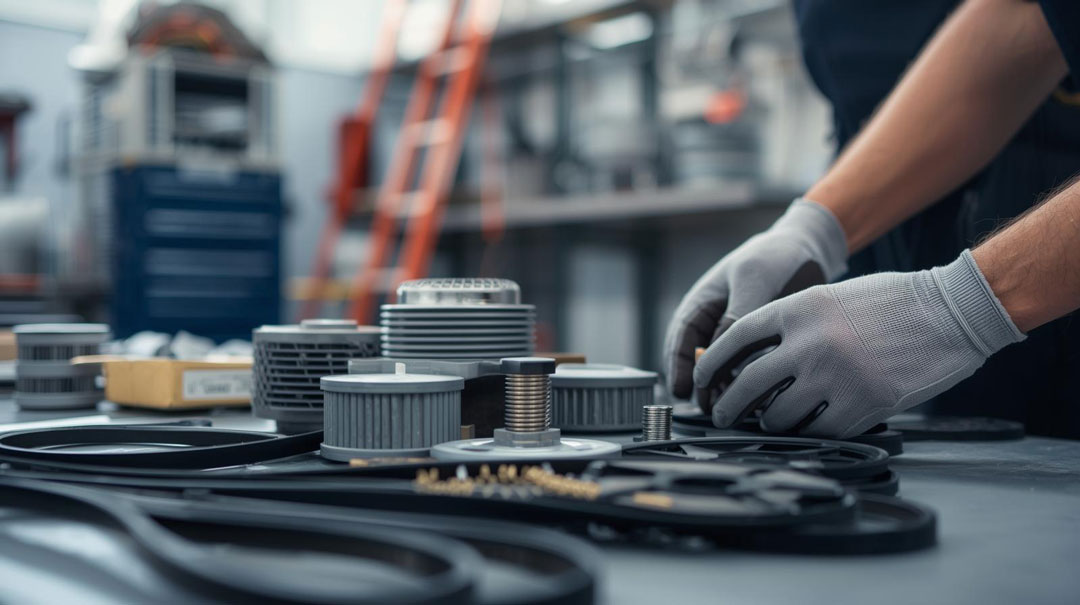
Avoiding Downtime: Top HVAC Parts Mistakes
Maximizing uptime and efficiency in heating, ventilation, and air conditioning systems depends on avoiding common parts mistakes. Incidents like sudden failures disrupt comfort and drive up repair expenses. When you want to steer clear of these issues, you choose quality parts, follow proper installation steps, monitor power supply, and keep filters and coils clean to prevent clogs or damage. You fold these elements into a maintenance plan that helps you detect problems early and respond before small issues escalate.
Prioritization is essential, and the first step is embracing regular preventive care to minimize downtime.
Prioritize Regular Preventive Maintenance
Commit to routine check-ups to catch issues early. You prevent major problems and reduce lost operating time. As part of this approach, you also rely on a trusted HVAC parts supplier near me that supports your schedule with consistent product availability and contractor-focused solutions.
Create a maintenance schedule: You should set clear dates for routine equipment checks. This ensures each piece of equipment receives care before problems appear.
Use predictive technologies: You can add smart tools like basic sound analysis to identify parts that may fail soon. Your technicians can correct these weak points quickly, which helps prevent major, costly breakdowns.
Educate your team: Good equipment care is essential for long life. You should teach staff how to use each machine so they avoid damage and help systems last longer.
Choose Quality HVAC Parts Suppliers
Quality matters when selecting HVAC parts. You must weigh cost, durability, and performance to avoid major expenses later. This is also the most natural place to anchor the second keyword, since HVAC & More functions as a nationwide HVAC parts store with a wide inventory built for contractors and commercial buyers.
Certification and compliance: You should choose suppliers that offer safe, certified parts. Clear and complete documentation confirms that components meet strict requirements, which reduces the risk of failures.
Balancing cost and value: You need strong, reliable parts that support system performance and long-term operation. High-quality components help reduce unnecessary replacements and material waste.
Supplier relationships and logistics: You must build steady relationships with dependable vendors. Reliable partners provide fast support, transparent warranty terms, and practical insights that help you keep projects on track.
Ensure Proper Installation and Design
Correct installation and design are essential for HVAC performance. Missteps in these areas lead to inefficiencies, comfort problems, and high operating costs.
Proper sizing fundamentals: You must size HVAC units correctly to prevent wasted power and unnecessary spending. You should evaluate square footage, room count, and local climate conditions for accurate sizing.
Calculating for comfort: You begin with building area and layout. You then consider design details and weather patterns to refine system capacity.
Ductwork done right: Proper materials and design create efficient ductwork. Short, straight runs and tight seals improve performance and reduce energy loss.
Ventilation is vital: Balanced ventilation keeps indoor air quality high. You must maintain proper intake and exhaust so air remains clean and safe.
Prevent performance pitfalls: You avoid under performance and premature wear by using correctly sized equipment and well designed duct systems that support long-term reliability.
Monitor and Protect Power Quality
Power quality plays a critical role in HVAC system efficiency. Poor power conditions can create hidden downtime that affects your operations.
Prevent equipment damage and downtime: Sensitive HVAC parts can suffer from power swings and surges. Voltage spikes can damage components, but surge protection devices help safeguard equipment and reduce repair costs.
Improve energy efficiency: Tracking power quality helps you identify waste and instability. Correcting voltage fluctuations and reducing harmonics lowers energy use and improves system output.
Ensure compliance with standards: Regulatory guidelines require stable power conditions for safe HVAC operation. Non-compliance risks penalties, operational issues, and damage to your reputation. Consistent monitoring helps you maintain required standards.
Identify and resolve power disturbances: Disturbances like voltage sags hinder HVAC performance. Power quality tools help you locate and resolve these issues quickly, which supports productivity and consistent system function.
Maintain Clean Air Filters and Coils
Clean filters and coils are essential for AC efficiency. Dirty filters drastically reduce airflow, forcing your system to strain. This increased workload raises energy use and puts stress on key components. Industry guidelines recommend checking filters monthly, especially during peak seasons, as a preventive habit. When you replace filters each quarter, or more frequently with pets or heavy use, you reduce the risk of system blockage.
The coils require equal attention. If debris builds up, coils cannot release heat efficiently, which harms cooling performance. When these simple steps are ignored, you may face recurring repairs and unnecessary energy costs. Consistent cleaning keeps your equipment running at peak performance.
Implement Predictive Maintenance Strategies
Predictive maintenance strategies help you stay ahead of equipment failures. These methods guide informed decisions that reduce downtime, especially in commercial settings.
Anticipation and intervention: Predictive maintenance provides clear foresight into equipment performance. Smart sensors detect developing issues and predict potential breakdowns. This data allows you to schedule service before failures occur.
Enhanced operational efficiency: This approach improves your equipment performance. Live data and timely alerts support accurate maintenance, extend equipment life, and improve daily workflow.
Cost effectiveness of maintenance: Predictive methods reduce surprise repair expenses. They extend the life of your assets by addressing early warning signs. Budgets are used more efficiently, lowering long-term costs.
Establish a Comprehensive Contingency Plan
A strong backup plan is essential for preventing HVAC emergencies.
Recognize warning signs: Pay attention to the indications your system provides. Grinding or banging noises may signal mechanical problems. Reduced airflow could point to clogged filters or compressor issues.
Embrace preventive measures: Routine tune-ups and inspections help extend system life and strengthen reliability. These steps reduce emergency repair expenses and help maintain comfort and stability.
Analyze repair or replace: Evaluate the age and condition of your HVAC system when problems arise. If the unit is over 12 years old and shows recurring failures, replacement may be more cost effective. Modern, efficient systems lower the chance of surprise breakdowns and reduce utility expenses.
In essence, downtime costs you time and comfort. At HVAC & More, we understand how critical it is to avoid common HVAC parts mistakes. Routine maintenance helps you spot issues early. Using strong, reliable parts helps prevent failures. When you stay ahead with smart system upgrades, your energy use stays controlled. We are here to support you as you maintain consistent system performance and prevent minor issues from becoming major problems. Keeping your HVAC system in top condition depends on choosing the right parts and practicing steady, informed care.