

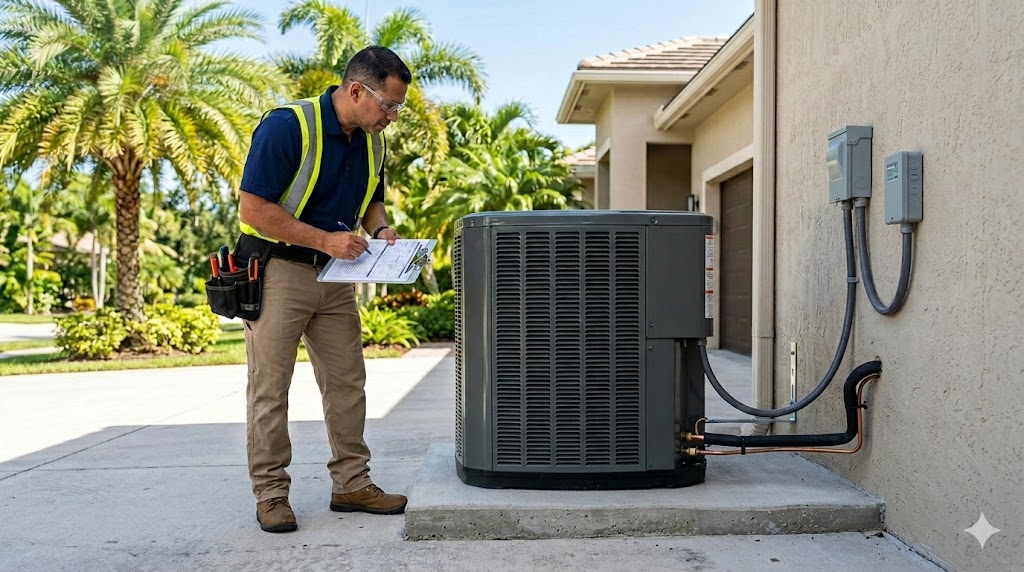
Miami HVAC Code Guide 2026: What Passes Inspection (And What Fails)
If you install in Miami and you are guessing on code, you are gambling with your profit.
In 2026, inspections are tighter, refrigerant regulations are changing, and documentation matters more than ever. This guide breaks down what passes in Miami-Dade County and what gets red-tagged.
1. AHRI Matching: The Silent Deal Killer
Inspectors are checking AHRI matches more consistently.
You must provide:
-
AHRI certificate showing matched condenser + air handler
-
SEER2 compliance documentation
-
Proper tonnage alignment
If you mismatch:
-
Fail inspection
-
Lose time
-
Eat labor
Contractors still trying to “make it work” with off-rated combinations are getting burned.
2. Refrigerant Transition: R-410A vs R-32 vs R-454B
-
R-32
-
R-454B
Key inspection considerations:
-
Proper labeling for A2L refrigerants
-
Correct line set compatibility
-
Manufacturer-specified installation practices
-
Updated service valves and safety markings
You cannot install 2026 equipment like it is 2018 equipment. Inspectors know the difference.
3. Tie-Downs and Wind Load Requirements
Miami is hurricane territory. This is non-negotiable.
You must:
-
Use approved tie-down kits
-
Anchor condensers to code-compliant pads
-
Meet Miami-Dade wind load requirements
Improper anchoring is an automatic fail.
4. Float Switches and Drain Protection
Attic installs without float protection are getting flagged.
Minimum best practice:
-
Primary drain line properly pitched
-
Secondary drain pan
-
Float switch on pan or in-line
-
Proper termination visibility
Water damage risk is taken seriously in South Florida.
5. Surge Protection Requirements
Many inspectors now expect surge protection at the condenser.
Especially with:
-
High-efficiency inverter systems
-
Variable speed compressors
-
New refrigerant electronics
Installing surge protection protects:
-
The homeowner
-
Your warranty exposure
-
Your callback rate
Skipping it is short-term thinking.
6. Electrical and Disconnect Compliance
Inspectors are checking:
-
Proper disconnect placement
-
Correct breaker sizing
-
Proper whip installation
-
Grounding compliance
Sloppy electrical work is one of the most common failure points.
7. Water Source Heat Pumps in Miami
Water source heat pumps can pass inspection, but:
-
They must meet AHRI certification
-
Must match approved building system design
-
Must comply with refrigerant standards
Packaged units are simpler. Water source systems require tighter documentation.
Common Reasons Contractors Fail Inspection in 2026
-
Missing AHRI match
-
Incorrect refrigerant labeling
-
No float switch
-
Improper tie-downs
-
Improper disconnect placement
-
No surge protection
-
Documentation missing at time of inspection
Most failures are not skill failures. They are detail failures.
The Smart Contractor Strategy
Stop thinking installation only.
Think compliance, documentation, and risk reduction.
At Imperial AC Supply, we help contractors:
-
Confirm AHRI matches before purchase
-
Ensure SEER2 compliance
-
Stock compliant accessories
-
Prepare for refrigerant transition
If you want zero inspection headaches, buy from people who understand the code environment in Miami.
