

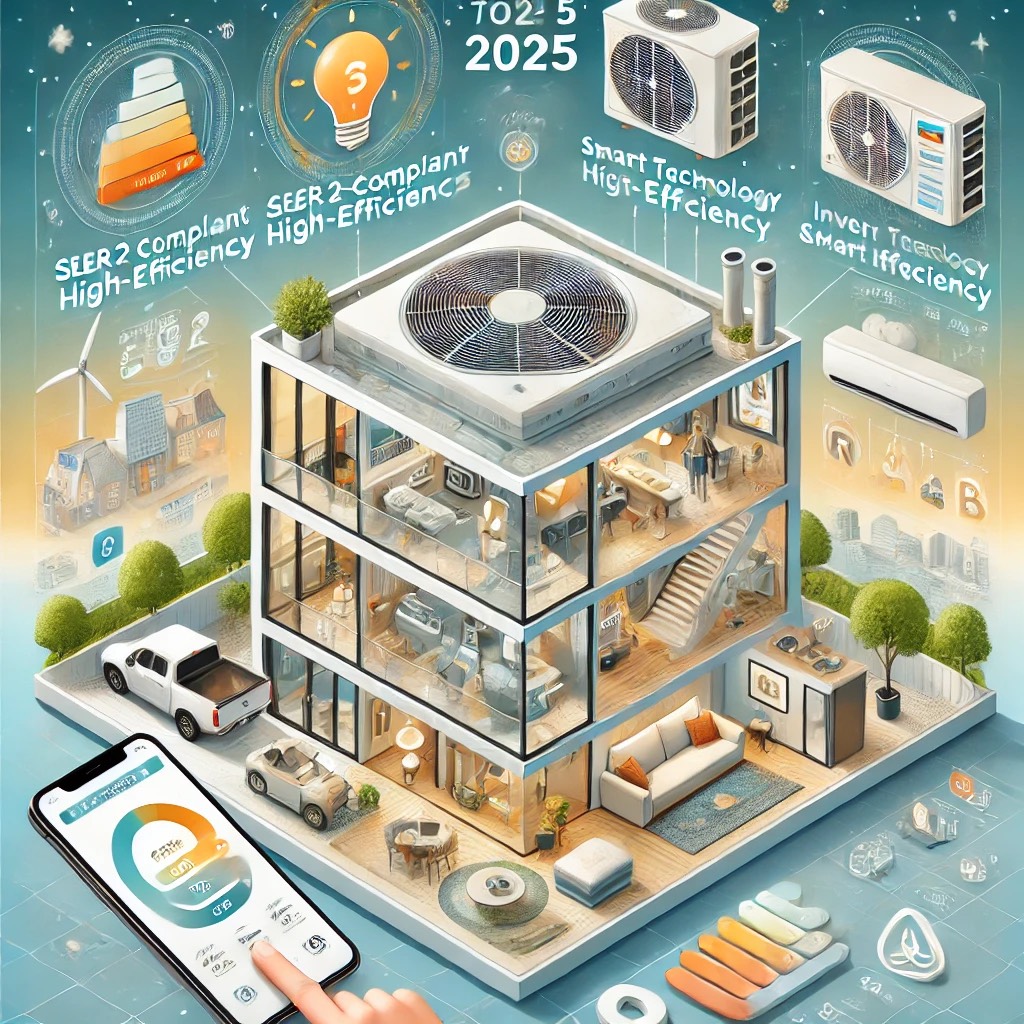
Top 5 HVAC Trends in 2025: What Contractors and Homeowners Need to Know
The Future of HVAC: 5 Key Trends to Watch in 2025
The HVAC industry is constantly evolving, driven by advancements in technology, energy efficiency regulations, and changing consumer demands. Whether you’re an HVAC contractor looking to stay competitive or a homeowner seeking the best air conditioning solution, understanding the latest HVAC trends is crucial.
Here are the top 5 HVAC trends shaping 2025:
1. SEER2-Compliant High-Efficiency Systems
Why It Matters:
The SEER2 (Seasonal Energy Efficiency Ratio 2) standard has redefined efficiency ratings for air conditioners and heat pumps. As of 2023, the new SEER2 requirements push manufacturers to produce more energy-efficient units, reducing electricity consumption and lowering utility costs for homeowners.
What This Means for You:
• Contractors should focus on selling and installing SEER2-compliant HVAC systems to meet federal energy efficiency guidelines.
• Homeowners should upgrade to higher-SEER models to maximize energy savings and qualify for potential tax credits or rebates.
Best Brands to Consider:
• Rheem Prestige Series (SEER2-compliant)
• Goodman ComfortBridge Technology Systems
• Trane XR Series with Variable Speed Compressors
2. Smart HVAC Systems & IoT Integration
Why It Matters:
Homeowners are increasingly adopting smart thermostats, AI-driven HVAC systems, and IoT (Internet of Things) technology for better control over indoor temperatures and energy usage.
How It Benefits Homeowners:
• Remote control via smartphone apps (e.g., Nest, Ecobee, Honeywell Home).
• AI-based learning that automatically adjusts settings for maximum efficiency.
• Real-time alerts for maintenance issues like clogged filters or refrigerant leaks.
What Contractors Should Offer:
• Installation of smart-compatible HVAC systems.
• Integration with home automation platforms (Google Home, Amazon Alexa, Apple HomeKit).
3. Inverter Technology for Enhanced Efficiency
Why It Matters:
Traditional air conditioners operate in an on-off cycle, leading to energy waste. Inverter-driven AC units adjust cooling output based on real-time demand, resulting in lower electricity bills and longer system life.
Benefits of Inverter Technology:
 Energy Savings: Uses up to 30% less power than non-inverter units.
Consistent Comfort: Eliminates temperature fluctuations.
Quieter Operation: Runs at lower speeds when full power isn’t needed.
Popular Inverter AC Models:
• Daikin Fit System
• Mitsubishi Electric Zoned Comfort Solutions
• Carrier Infinity Series
4. Ductless Mini-Splits Gaining Popularity
Why It Matters:
Ductless mini-split systems are rapidly becoming the preferred choice for homeowners who need zoned cooling and heating solutions without costly ductwork installations.
Why Mini-Splits Are Trending:
 High efficiency (Many models reach SEER2 20+ ratings).
Ideal for room additions & retrofits.
Better air quality (No ducts = less dust and allergens).
Best Mini-Split Brands in 2025:
• Mitsubishi Hyper-Heating H2i
• Fujitsu Halcyon Series
• LG Art Cool Mirror
5. Eco-Friendly Refrigerants & Decarbonization Efforts
Why It Matters:
The phase-out of R-410A refrigerant due to environmental concerns has pushed manufacturers toward low-GWP (Global Warming Potential) refrigerants like R-32 and R-454B.
What This Means for the Industry:
• New HVAC systems in 2025 will use eco-friendly refrigerants with a lower carbon footprint.
• HVAC contractors must educate customers on refrigerant changes and be prepared for retrofit solutions.
Next-Gen Refrigerants to Watch:
• R-32 (Used by Daikin, Mitsubishi, and LG).
• R-454B (Puron Advance) (Adopted by Carrier & Trane).
Final Thoughts: Why Staying Ahead of HVAC Trends Matters
The HVAC industry in 2025 will continue shifting toward energy efficiency, smart automation, and sustainability. By staying informed, contractors can boost sales, and homeowners can make smarter investment choices for their comfort and long-term savings.
For the best HVAC equipment and accessories, visit Imperial AC Supply – your trusted partner in high-quality air conditioning solutions.
