

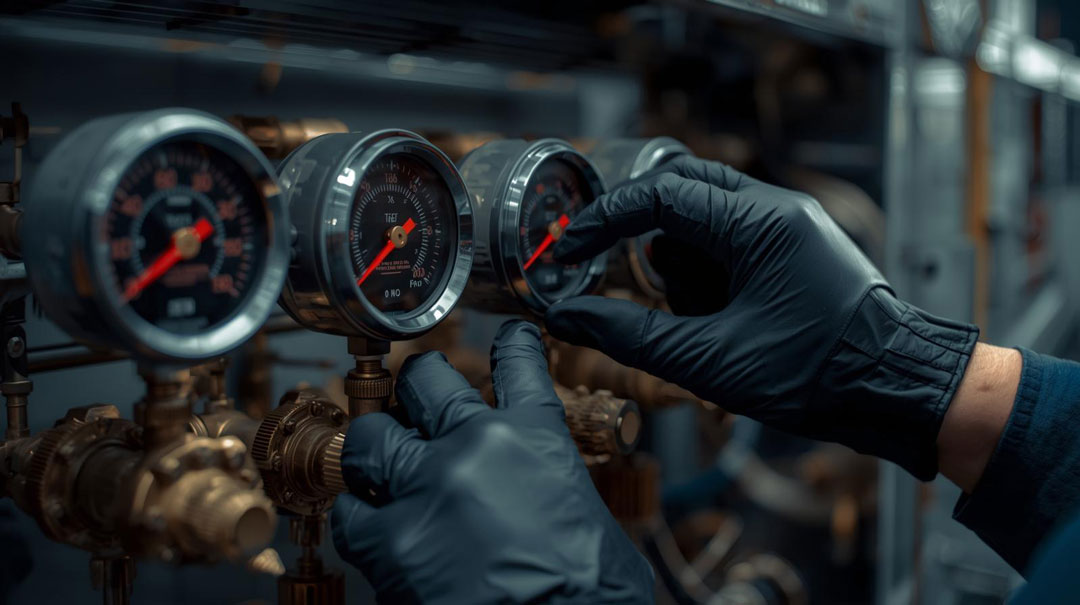
Hidden Dangers: Misreading Your HVAC Gauge Manifold
Misreading your HVAC gauge set can quietly create serious problems on the job. Incorrect readings lead to wasted energy, contamination inside refrigerant lines, compliance risks, and avoidable system damage. These issues rarely appear all at once. They build over time, often going unnoticed until performance drops or failures occur.
Accurate readings are critical if you want to prevent leaks, protect system components, and stay aligned with refrigerant handling requirements. Knowing how to use HVAC gauge tools correctly and keeping them properly calibrated supports safe operation, efficient diagnostics, and reliable system performance. Below, we break down where misreading happens most often and how to prevent costly errors before they impact your work.
Ensure Accurate HVAC Gauge Calibration
Ensuring proper calibration of your gauges directly affects how well an HVAC system operates. When HVAC gauge manifold readings are off, even slightly, efficiency drops and system stress increases.
- Understand Pressure Differences: System efficiency depends on maintaining correct high-side and low-side pressure ranges. A pressure error as small as 10% can lead to a cooling efficiency loss of up to 30%, increasing runtime and energy consumption.
- Meet Efficiency Standards: Accurate gauges help technicians stay aligned with U.S. efficiency and refrigerant handling standards. Regular calibration checks using dependable tools help control operating costs and reduce compliance risk.
- Gauge Selection: Choosing the right gauge type matters. Analog gauges remain reliable in demanding environments because they require no power source and provide consistent readings under heavy use.
- Recognize Operating Extremes: High ambient temperatures place added stress on HVAC systems. Properly calibrated gauges ensure pressure readings remain accurate under load, helping systems maintain stable performance during peak demand.
Avoid Overcharging with Proper Gauge Use
Correct gauge usage plays a critical role in preventing system overcharging. Overcharging reduces efficiency, increases operating pressure, and accelerates component wear.
Before connecting the HVAC gauge manifold, confirm all valves are fully closed to prevent refrigerant loss. Once the system is running, allow pressures to stabilize before recording readings, since rapid measurements often lead to false conclusions.
Compare both low-side and high-side pressure readings against manufacturer specifications to verify the system is operating within safe limits. Equipment maintenance also matters. Replace manifold gaskets regularly to maintain sealing integrity, and connect hoses carefully to service ports to avoid pressure loss. Following proper connection procedures reduces the risk of overcharging caused by setup errors rather than system faults.
Prevent System Contamination via Manifold
System cleanliness directly affects performance and equipment lifespan. Misreading or mishandling an HVAC gauge manifold can introduce contaminants that cause long-term damage.
- Purge Before Charging: Purging hoses and the manifold before charging prevents air and moisture from entering the system, reducing the risk of acid formation and internal corrosion.
- Seal Against Intruders: Small debris, such as copper shavings or dust, can damage compressors and expansion devices. Keep tubing sealed until connection and cap unused ports immediately.
Oxygen and Debris Control: During brazing preparation, properly deburr tubing and use a nitrogen sweep to displace oxygen. This practice minimizes oxidation and protects internal components from buildup.
Safeguard Against Refrigerant Leaks
Preventing refrigerant leaks protects both system performance and jobsite safety. Leaks often start small and escalate quickly if not addressed early.
- Regular Maintenance: Annual professional inspections help identify early leak points before refrigerant loss becomes severe.
- Clean Surroundings: Keeping debris away from outdoor and mechanical components reduces corrosion risk and physical damage.
- Filter Management: Routine air filter replacement supports proper airflow and reduces strain that can contribute to pressure imbalance.
- Energy Monitoring: Sudden increases in energy usage often signal refrigerant loss or pressure irregularities that require investigation.
Stay Alert: Unusual sounds or odors should be treated as early warning signs and addressed immediately to prevent further damage.
Maintain Manifold Gauge Integrity
Beyond preventing leaks, maintaining the condition of the HVAC gauge manifold itself is essential for accurate diagnostics. Pressure, temperature, and refrigerant readings only matter if the tool delivering them is reliable.
Loose or deteriorated hoses can handle pressure inconsistently, leading to incorrect readings. Valve assemblies also require regular inspection to ensure smooth operation and proper sealing. Worn valves reduce control over refrigerant flow and compromise test accuracy.
Sight glasses, when present, provide a visual reference for refrigerant condition and help identify moisture or flow irregularities early. Consistent inspection and maintenance of manifold components help prevent misdiagnosis and reduce unnecessary system adjustments.
Adhere to EPA Guidelines for Gauge Handling
Following EPA-aligned best practices when using an HVAC gauge manifold protects technicians, equipment, and system efficiency.
- Gauge Accuracy: Precise gauges reduce diagnostic time and prevent technicians from chasing false system issues caused by incorrect readings.
- Tool Durability: A well-built gauge manifold withstands jobsite conditions, reducing downtime caused by tool failure and ensuring consistent performance.
Usage Simplicity: Clear layouts and intuitive controls support faster readings and reduce setup errors, improving productivity across service calls.
Use Low-Loss Fittings to Minimize Refrigerant Loss
Low-loss fittings play an important role in reducing refrigerant escape during connection and disconnection. Improper fittings can trap pressure or provide misleading readings if not used correctly.
Low-loss fittings help limit refrigerant release and protect the environment while maintaining pressure stability during testing. However, technicians must ensure fittings fully open and accurately reflect system pressure. Incomplete engagement can result in readings that appear lower than actual system conditions.
Confirming tight connections and verifying true pressure values ensures reliable diagnostics and prevents refrigerant loss caused by faulty fittings rather than system issues.
Misreading an HVAC gauge manifold leads to inefficiency, rework, and unnecessary equipment stress. Accurate tools and proper technique allow technicians to diagnose confidently and keep systems operating as intended.
At HVAC & More, we support HVAC professionals with dependable HVAC gauge manifold solutions designed for real-world service demands. Our inventory supports contractors across South Florida with fast local delivery and nationwide shipping for larger projects. With contractor-focused service and reliable HVAC service and repair parts, we help keep jobs moving without delays.
Compare professional-grade manifold options and keep your diagnostics precise by visiting our website.