

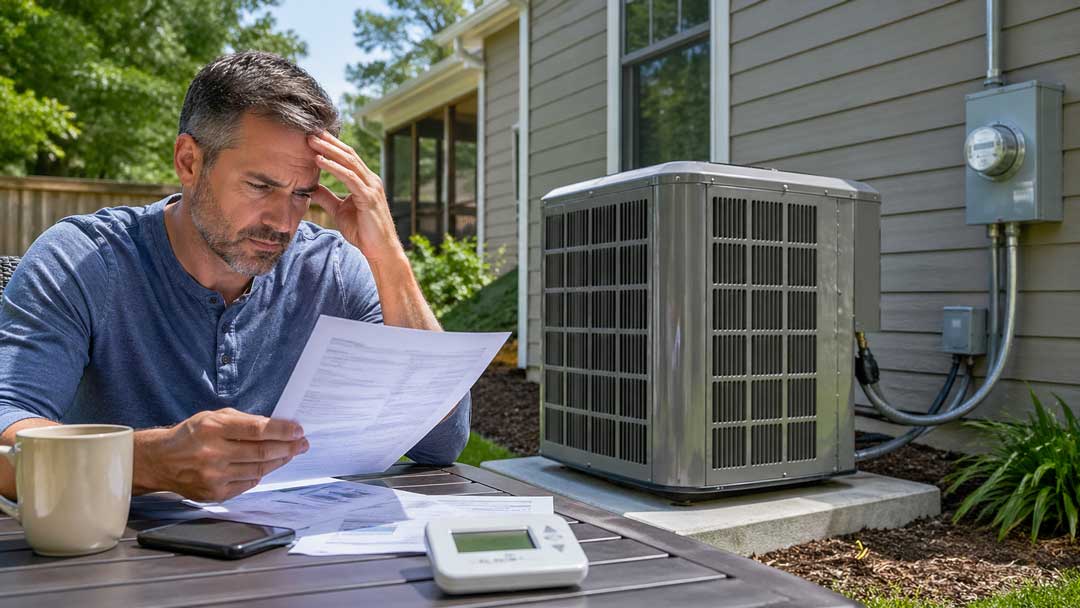
Rising Energy Costs: 2026 Risks with 5 Ton Air Conditioner Units
Energy bills across South Florida continue to rise, especially for property managers and contractors working with large cooling systems. A 5-ton AC unit in South Florida now costs more to operate than in previous years due to increased utility rates, longer cooling seasons, and higher demand during peak hours.
A single 5 ton ac unit often runs for extended periods as outdoor temperatures stay elevated for most of the year. In many commercial and multi-family properties, HVAC systems account for over 50% of peak electricity usage during summer months. This makes system efficiency and proper equipment selection critical when planning for 2026 and beyond.
Selecting an efficient unit is only one part of the equation. Understanding how energy consumption is calculated, from SEER2 ratings to compressor cycling patterns, allows contractors and property owners to make informed decisions. As operating costs increase, accurate forecasting and strategic upgrades will determine whether energy budgets remain controlled or continue to escalate.
Before implementing cost-saving strategies, it is important to evaluate how much energy a five-ton system consumes under real operating conditions.
Assessing Energy Consumption of 5 Ton AC Units
Assessing the energy use of 5-ton systems starts with understanding national standards and how they apply to South Florida conditions. A 5-ton AC unit in South Florida operates under higher demand compared to other regions due to extended heat and humidity.
Current regulations require compliance with updated efficiency standards, including SEER2 and EER2 ratings introduced by the U.S. Department of Energy. SEER2, or Seasonal Energy Efficiency Ratio 2, measures how efficiently an air conditioner operates under real-world conditions.
In the Southeast region, minimum SEER2 requirements are higher than in other parts of the country due to climate demands. These standards continue to evolve, with updates expected every few years to improve energy performance across residential and commercial systems.
This means that every new system must meet stricter efficiency benchmarks than older equipment. Contractors evaluating replacement options should prioritize units that exceed minimum standards to reduce long-term operating costs.
Evaluating SEER2 Ratings for Optimal Efficiency
Choosing the correct SEER2 rating plays a direct role in energy consumption, system lifespan, and overall performance.
Minimum Efficiency Requirements: Systems must meet current SEER2 standards to remain compliant with regional codes. Verifying these ratings ensures installations meet regulatory expectations.
Energy Cost Impact: Higher SEER2-rated systems consume less electricity during operation, which reduces monthly energy costs, especially during peak cooling periods.
System Longevity: Efficient systems operate with less strain, which reduces wear on compressors and internal components over time.
Performance Under Load: Larger systems, including a 5-ton AC unit, benefit from higher efficiency ratings to maintain consistent cooling during extended run times in South Florida conditions.
Investing in higher-efficiency equipment provides measurable savings over time while improving system reliability.
Impact of South Florida Climate on Cooling Demand
South Florida’s climate creates unique challenges for HVAC systems, particularly for larger units.
Extended Cooling Season: High temperatures and humidity levels require systems to operate for most of the year, increasing total energy consumption.
High Humidity Levels: Moisture in the air forces systems to work harder to maintain comfort, adding additional load beyond temperature control.
Coastal Environmental Factors: Salt air exposure can accelerate corrosion on outdoor components, affecting performance and maintenance requirements.
Increased Energy Demand: Larger systems contribute significantly to total building energy usage, especially in commercial and multi-family properties.
These factors make proper system selection and maintenance essential for managing long-term costs.
Calculating Projected Energy Costs in 2026
Energy cost projections for 2026 require evaluating several variables tied to system performance and regulatory changes.
The transition to low global warming potential refrigerants, such as R-32, supports environmental goals but may increase upfront equipment costs. Lower GWP refrigerants are designed to reduce environmental impact while maintaining system performance.
Higher SEER2-rated systems may carry a higher initial price, but they can reduce annual energy consumption significantly. In many cases, efficiency improvements offset installation costs within a few years through reduced utility bills.
Utility rates in South Florida are also expected to continue rising. Even modest increases can significantly impact operating costs when systems run daily. In addition, duct efficiency plays a major role. Air leakage in duct systems can reduce efficiency by up to 30%, increasing energy consumption unnecessarily.
Annual operating costs for a standard 5-ton AC unit in South Florida can vary widely depending on system efficiency, insulation quality, and usage patterns. Understanding these factors helps contractors and property managers plan budgets more accurately.
Strategies to Mitigate Rising Energy Expenses
Reducing energy costs requires a combination of system efficiency, proper maintenance, and operational adjustments.
Thermostat Optimization: Adjusting temperature settings by a few degrees can significantly reduce energy consumption without sacrificing comfort.
Routine Maintenance: Regular filter replacement and system inspections help maintain airflow and efficiency.
Efficient Equipment Selection: Upgrading to newer AC Brands & Models improves performance and reduces energy demand.
System Scheduling: Operating systems during off-peak hours, when possible, helps manage energy usage and cost.
Quality Components: Using reliable HVAC Service & Repair Parts supports long-term system efficiency and reduces breakdowns.
These strategies help stabilize operating costs while improving system performance.
Long-Term Cost Control with Proper Equipment Planning
Energy cost management extends beyond immediate savings. Proper equipment planning reduces long-term expenses tied to inefficiency and system wear.
Contractors and property managers should focus on matching Air Conditioner Units by Size with actual building load requirements. Oversized or undersized systems increase energy waste and reduce system lifespan.
Using the right HVAC Tools & Equipment for diagnostics and installation ensures accurate system performance. Precision during installation directly affects efficiency, airflow balance, and long-term reliability.
As part of the broader HVAC Stores & Services landscape, Imperial AC Supply supports professionals with access to equipment, parts, and technical resources needed to maintain system performance.
With over a decade of industry experience, Imperial AC Supply continues to provide solutions designed for contractors working in high-demand environments like South Florida, while also supporting nationwide projects.
Take Action to Control Energy Costs in 2026
Managing rising energy costs starts with informed decisions and reliable equipment sourcing.
Compare System Options: Review specifications and efficiency ratings before selecting a unit.
Request a Quote: Contact Imperial AC Supply to confirm compatibility and pricing based on your project requirements.
Review Delivery Options: Explore available shipping solutions and local South Florida pickup options based on your job timeline.
Plan for Efficiency: Select systems that meet current standards and support long-term cost savings.
Act Early: Address system upgrades before peak demand periods to avoid delays and cost increases.
Explore available systems and specifications at:
https://imperialacsupply.com/product-category/air-conditioners/by-tonnage/5-ton-and-more/
Make informed decisions with equipment that aligns with your project requirements. The right 5-ton AC unit improves efficiency, reduces operating costs, and supports reliable performance across residential and commercial applications.